Industrial corrosion protection · Pakistan
Rubber Lining Services in Pakistan
Industrial rubber lining for chemical tanks, process vessels, pipes and containment systems—engineered around the actual chemical, temperature and operating duty.
Project evidence
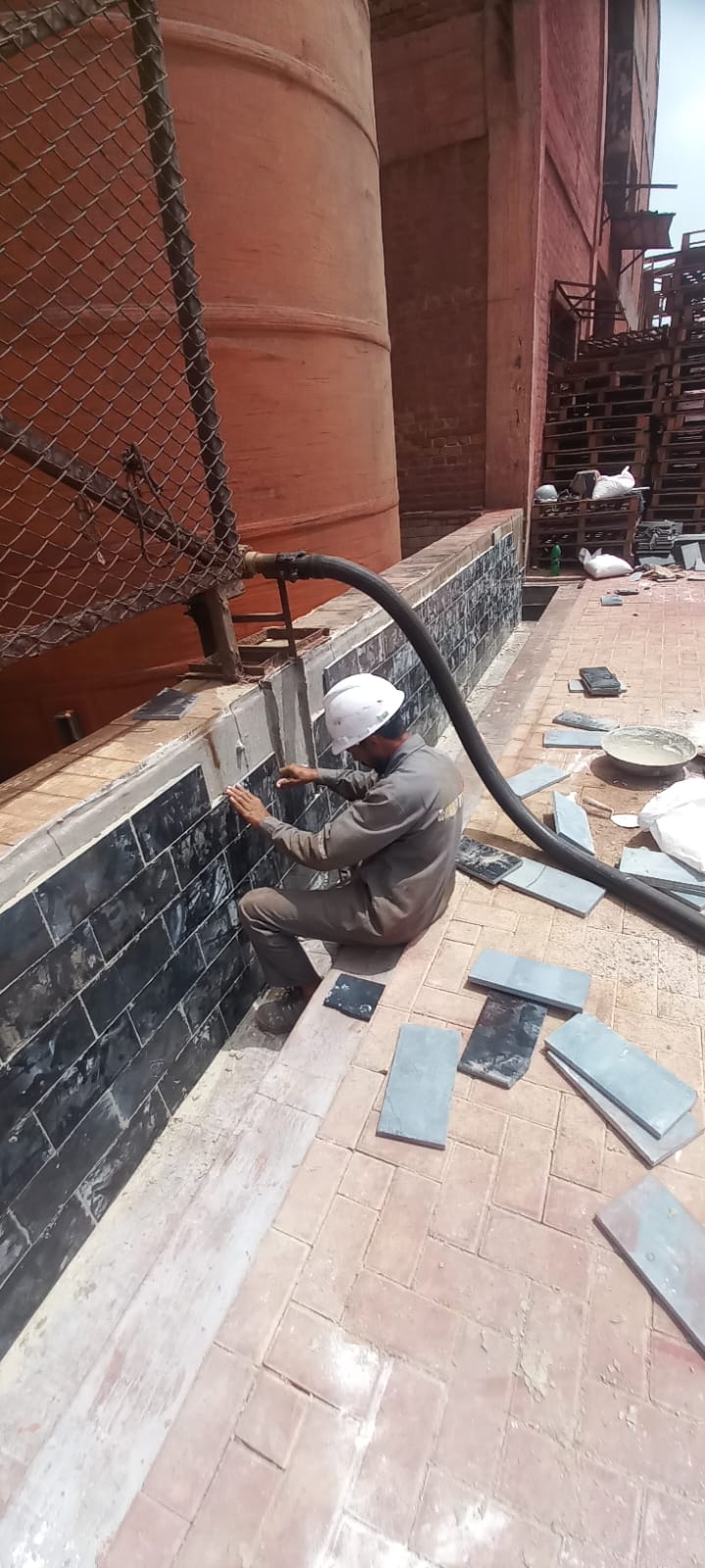
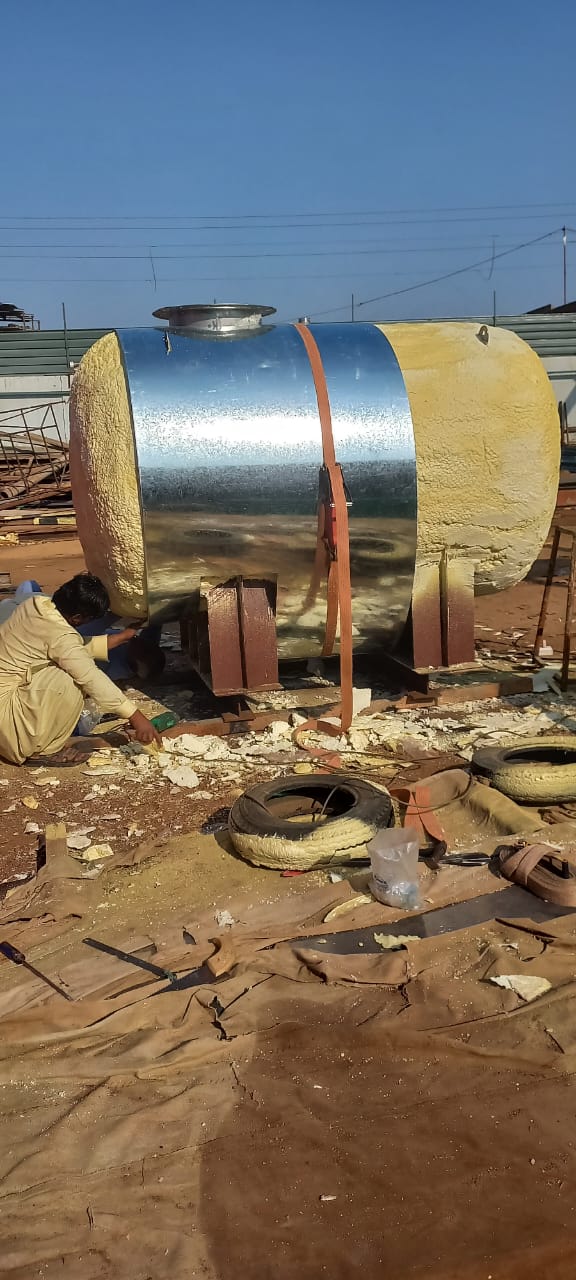
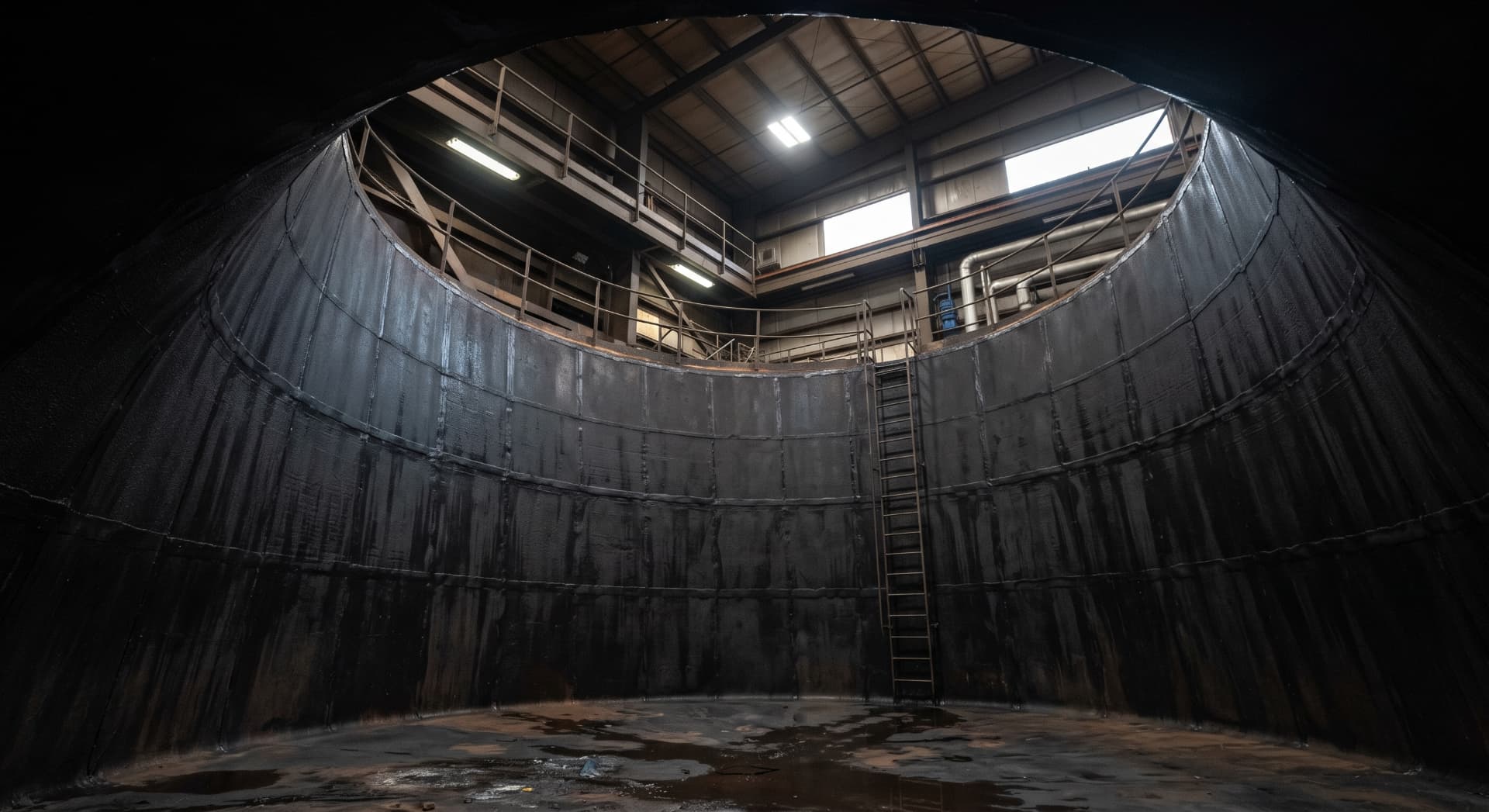
Rubber lining across vessels and pipework
From large chemical tank rubber lining to fabricated pipes and field installation, the finish is shaped by access, geometry and service conditions.
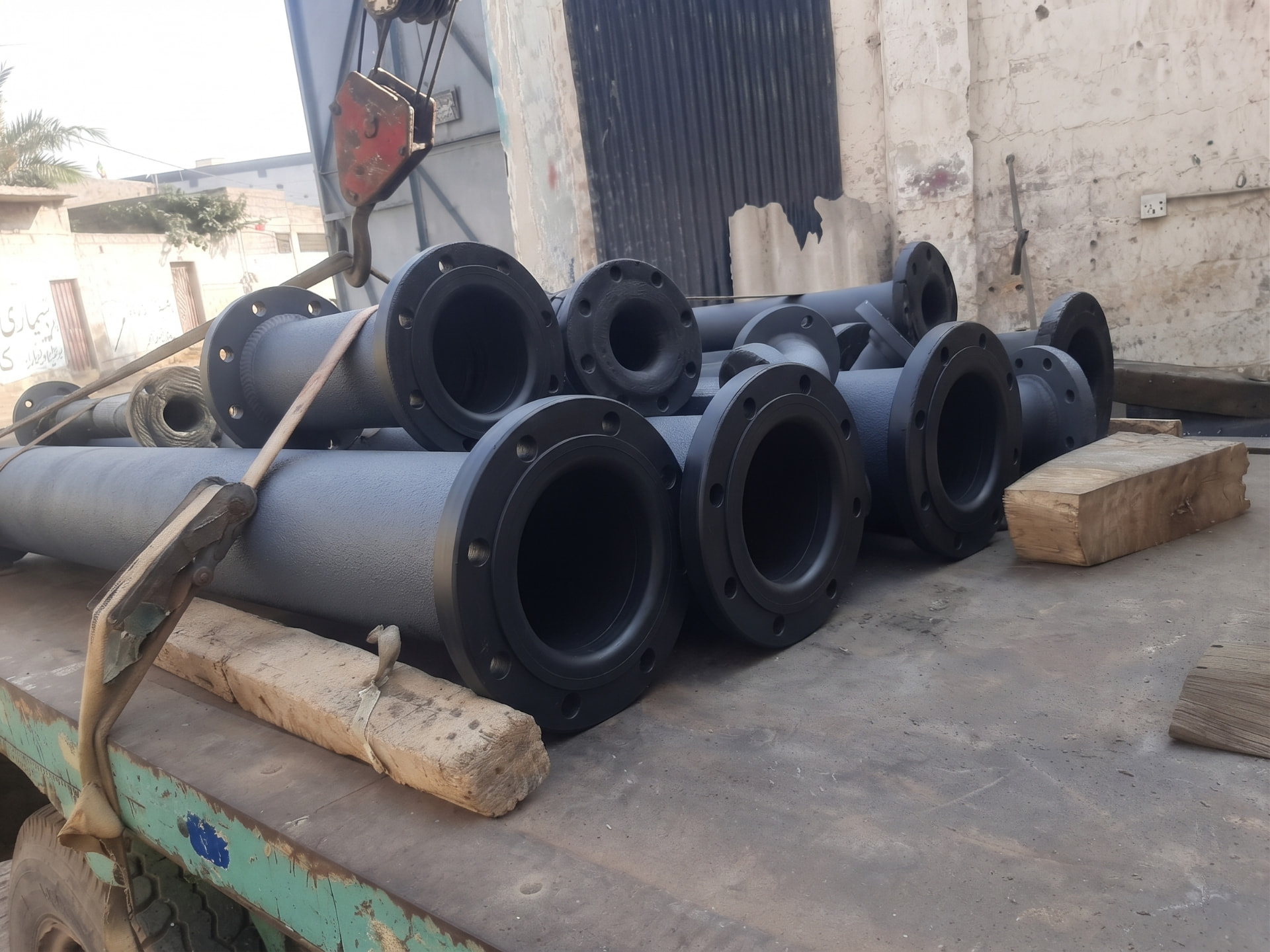
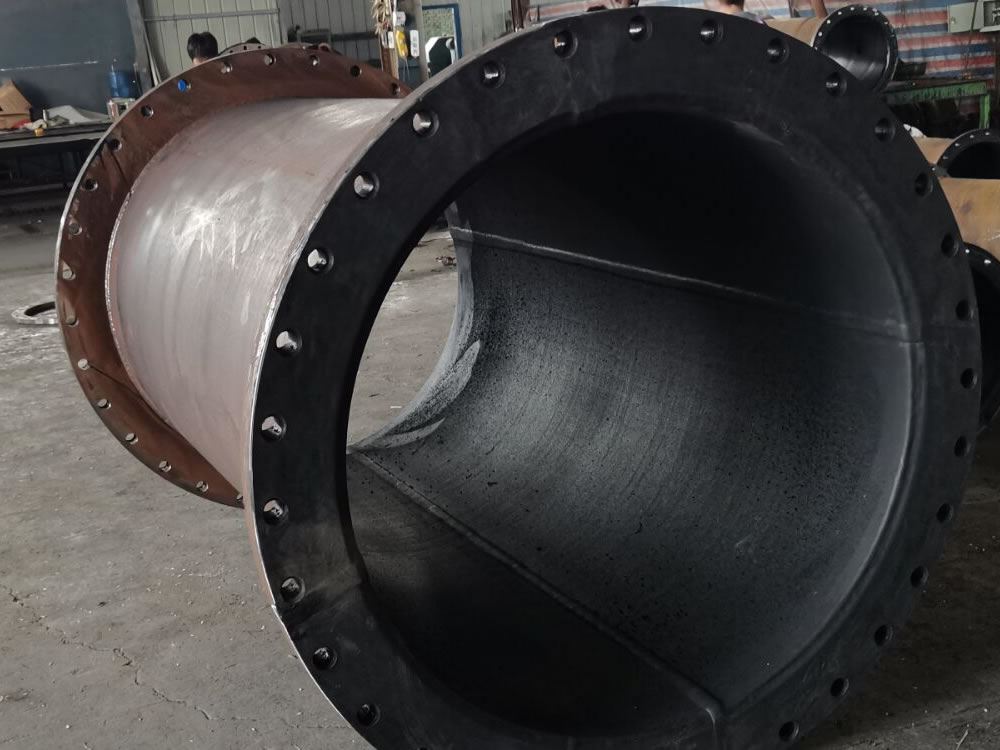
Rubber-to-metal expertise since 1962
A protective system built around your process—not a standard coating.
Rubber Tech Plus applies soft, hard and synthetic rubber lining systems for industrial assets across Pakistan. Every recommendation begins with the service environment so the rubber compound, bonding system, thickness and curing approach can be matched to the project.
About our industrial legacyWhy rubber lining
- Barrier protection against corrosive process media
- Resistance selected around chemical, temperature and abrasion duty
- Workshop and on-site application options
- Protection for complex vessels, pipework and containment areas
Industrial applications
Where industrial rubber lining works
Chemical storage tanks
Protection for steel tanks exposed to acids, alkalis and process chemicals.
Process vessels
Purpose-selected linings for reactors, columns and other production equipment.
Pipes, spools and fittings
Continuous internal protection for transfer lines, bends and fabricated components.
Pits, drains and channels
Corrosion-resistant barriers for industrial containment and drainage areas.
Water treatment equipment
Lining systems for treatment vessels, filter units and related infrastructure.
Pickling and process areas
Rubber protection for severe chemical exposure in steel and manufacturing plants.
Controlled application
Our typical rubber lining process
The final method is documented around the selected lining system, asset condition and agreed inspection requirements.
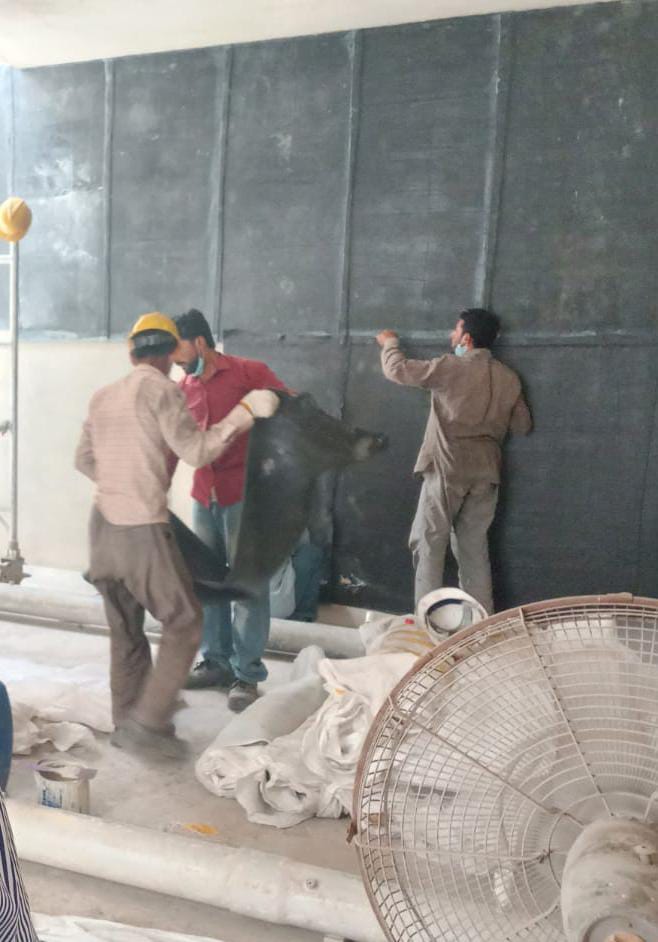
On-site vessel installation
Get Quote- 01
Service review
We review the asset, process media, concentration, temperature, pressure and expected operating conditions.
- 02
Surface preparation
The steel is cleaned and prepared to establish the profile required by the selected lining system.
- 03
Compound application
Primer, bonding system and rubber sheets are applied with close attention to seams, corners and penetrations.
- 04
Curing and inspection
The specified curing method is followed, then the finished lining is visually inspected and tested as required.
Materials and specifications
Specified for the chemical duty
Material selection is based on the complete operating envelope—not a single chemical name. We assess the media, concentration, temperature, abrasion, pressure or vacuum, geometry and curing constraints before recommending a system.
Lining compounds
Soft, hard and synthetic rubber compounds may be considered according to service requirements.
Chemical exposure
Compatibility is reviewed against the actual media, concentration and operating temperature.
System build
Thickness, seams, bonding system and cure are established for the selected application.
Inspection plan
Visual and project-specified tests are agreed before application and handover.
Technical FAQ
Rubber lining questions
Send us the chemical data, operating temperature and equipment drawings for a project-specific review.
What is industrial rubber lining?+
Industrial rubber lining is a bonded protective barrier applied to metal or concrete surfaces. The compound is selected to help isolate the substrate from corrosive chemicals, abrasion and process wear.
Which equipment can be rubber lined?+
Typical equipment includes chemical tanks, process vessels, pipes, spools, bends, scrubbers, pits and drains. Suitability depends on the asset geometry and operating conditions.
How do you select a rubber lining material?+
Selection considers the chemical media and concentration, operating temperature, abrasion, pressure or vacuum conditions, substrate, curing method and required service life.
What thickness is used for rubber lining?+
Thickness is specified for the application and compound. Industrial sheet linings commonly fall within a project-specific range, so our team confirms the appropriate build after reviewing the service conditions.
How is the completed lining checked?+
Inspection may include visual examination, seam checks, holiday or spark testing, hardness checks and other project-specified tests. The inspection plan is agreed for the selected system.
Can Rubber Tech Plus carry out work on site?+
Yes. Project feasibility, access, ventilation, curing requirements and site conditions are reviewed before confirming an on-site application plan.
Rubber lining enquiry
Tell us what your equipment must withstand.
Related protection systems